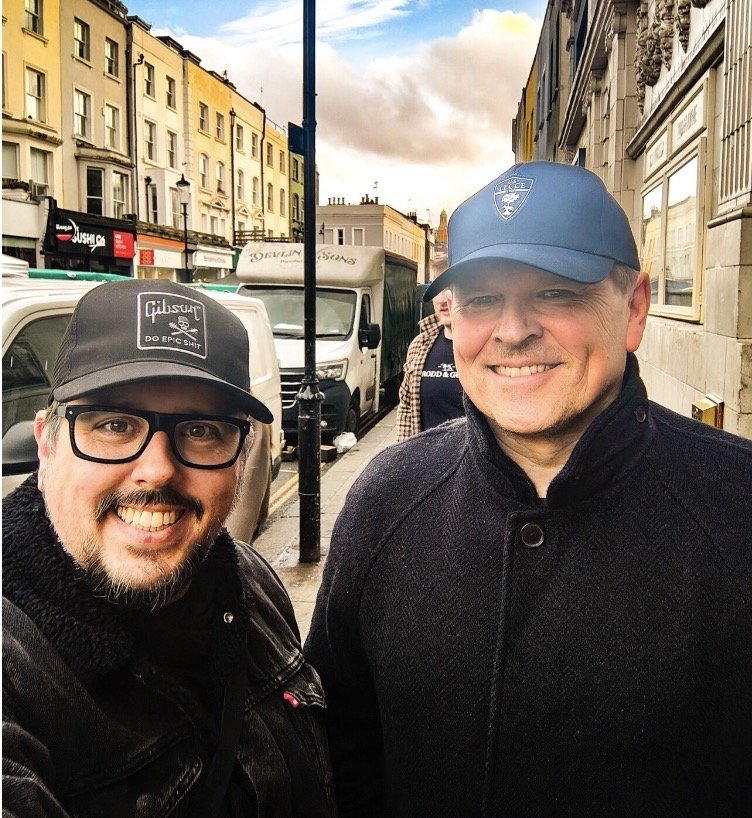
20 years of friendship. 150 years of brands.

Finally caught up properly with B2B marketing legend Jason Miller the other week. We go back nearly 20 years, but like most things in life… work, travel, life… we hadn't really connected in a while.

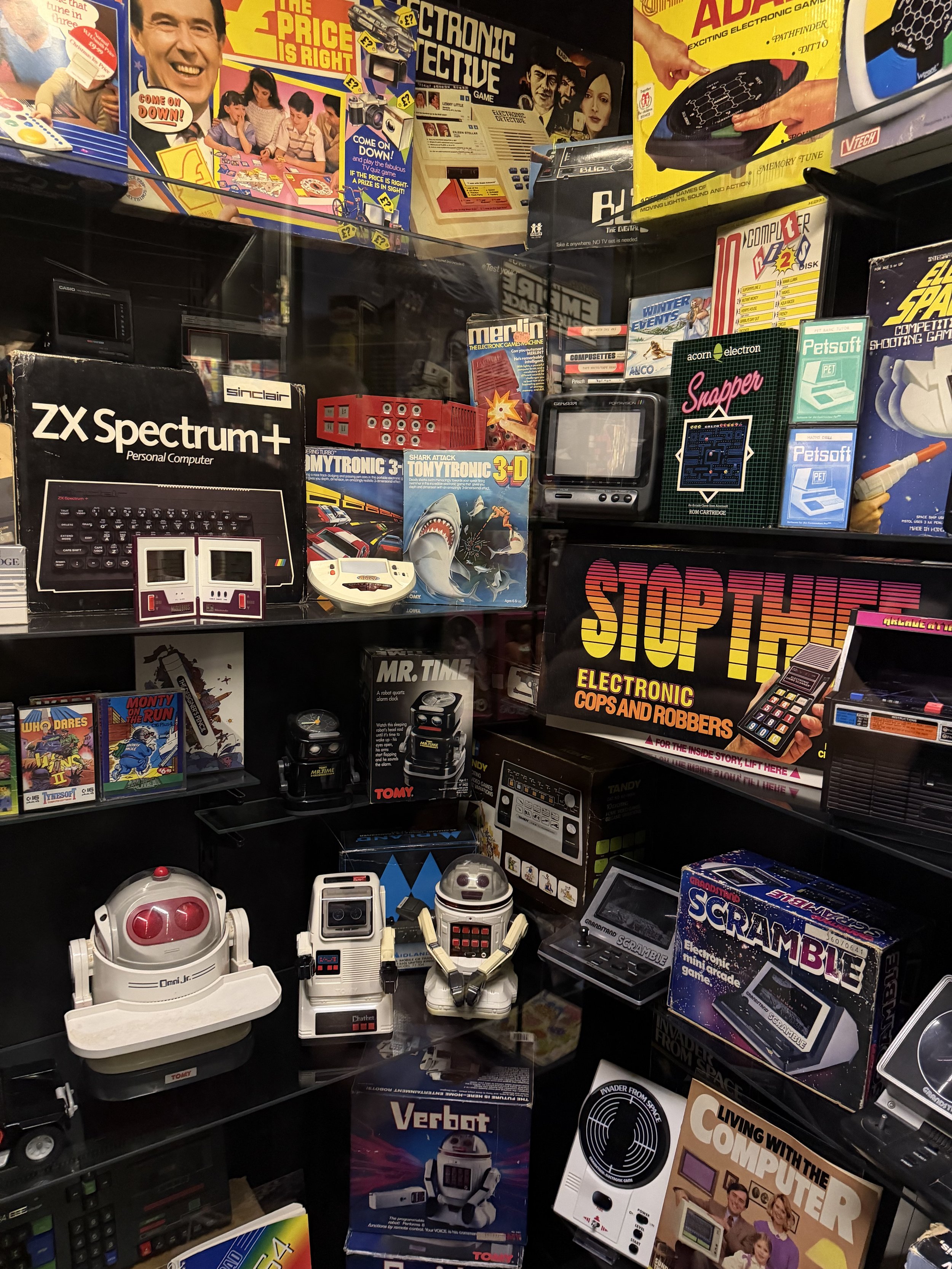
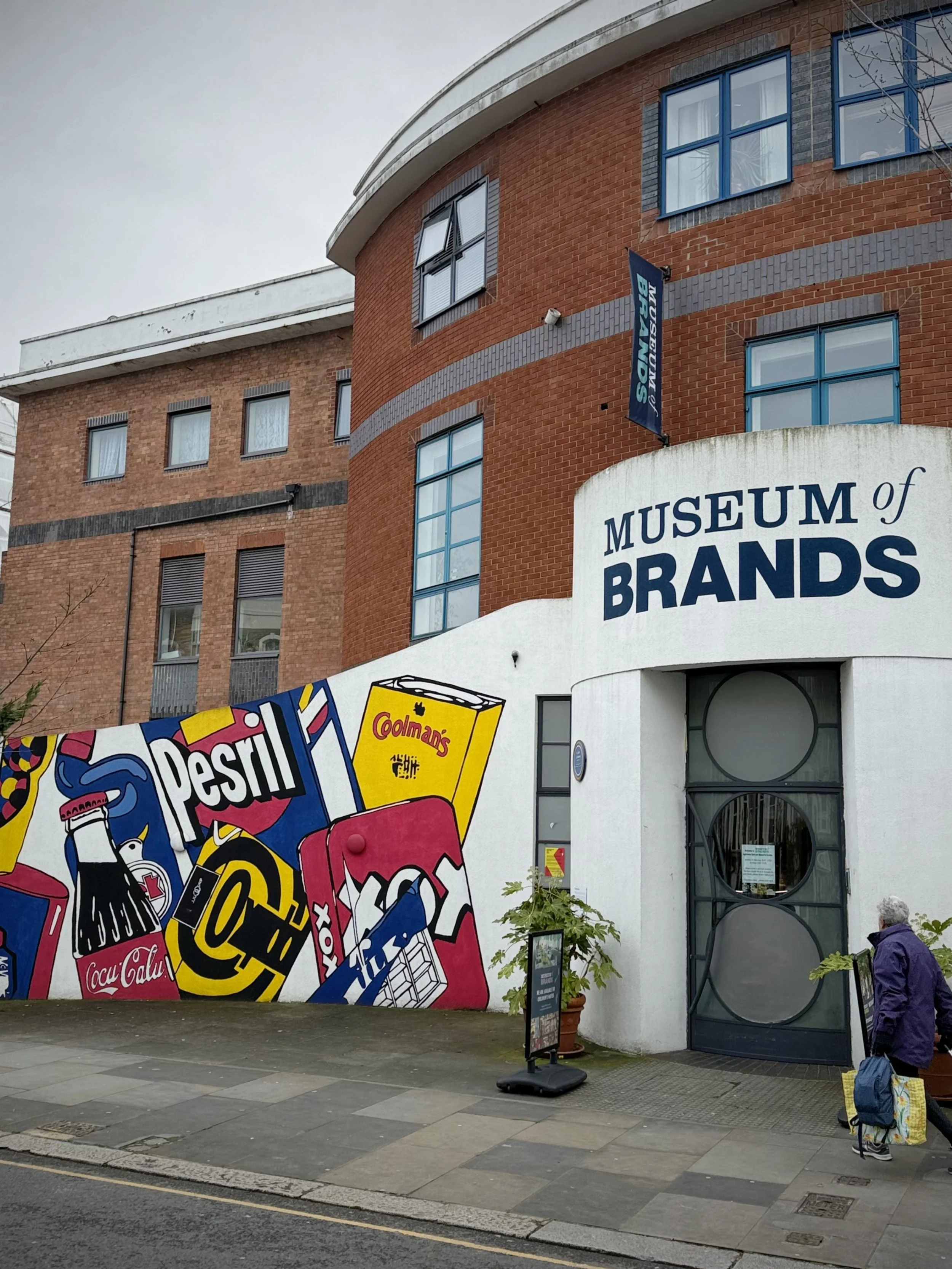
We met at the Museum of Brands in west London. A brilliant place that charts 150 years of brand marketing, largely through a UK lens. (BTW you pay once and get free access for a year).

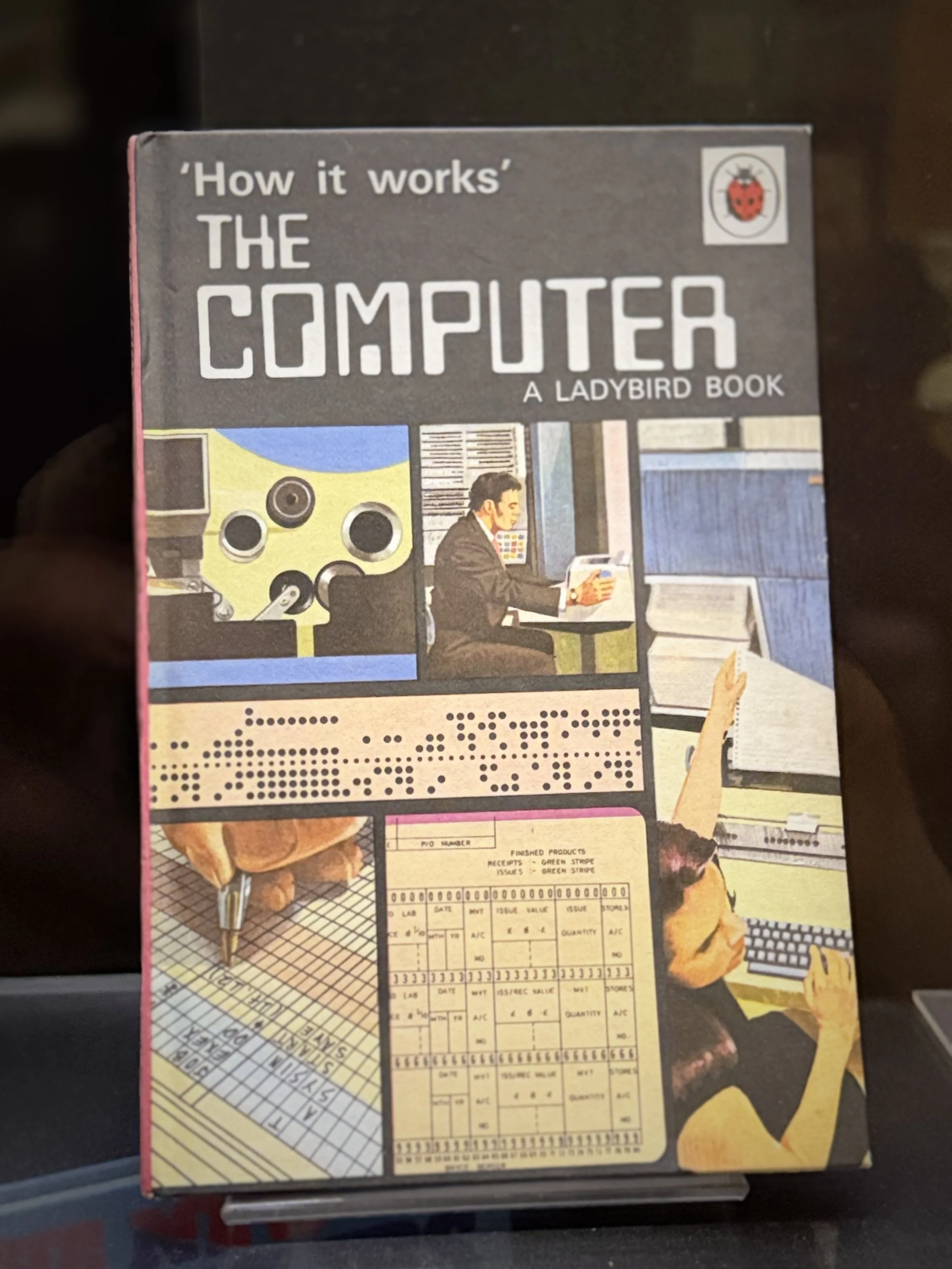
What struck me (again) is how universal brand memories are. No matter your background, there's always something in there that pulls you back to a moment, a product, a feeling.

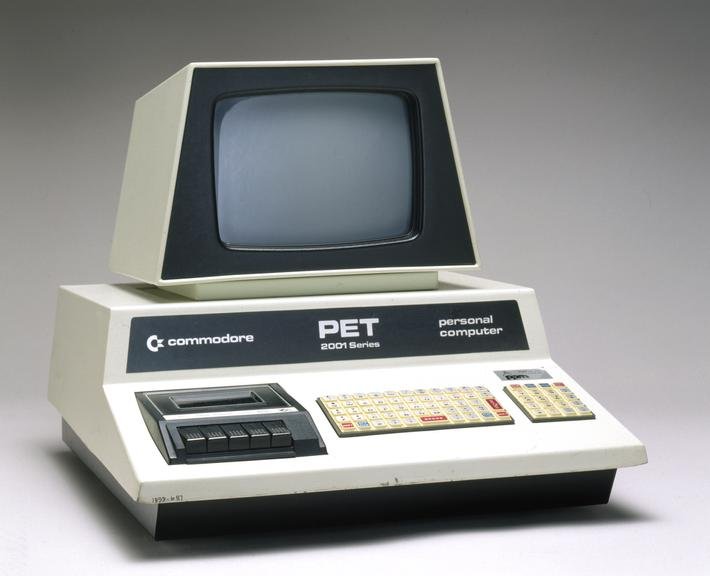
For me, it was computing. My first computer was a Commodore PET that my dad lugged home from work – took two people to carry it and it was roughly the size of a small fridge. That led to the ZX81, the ZX Spectrum, and a path that eventually took me into computer science… and then into sales and marketing. Less love for coding itself, more love for what technology makes possible.

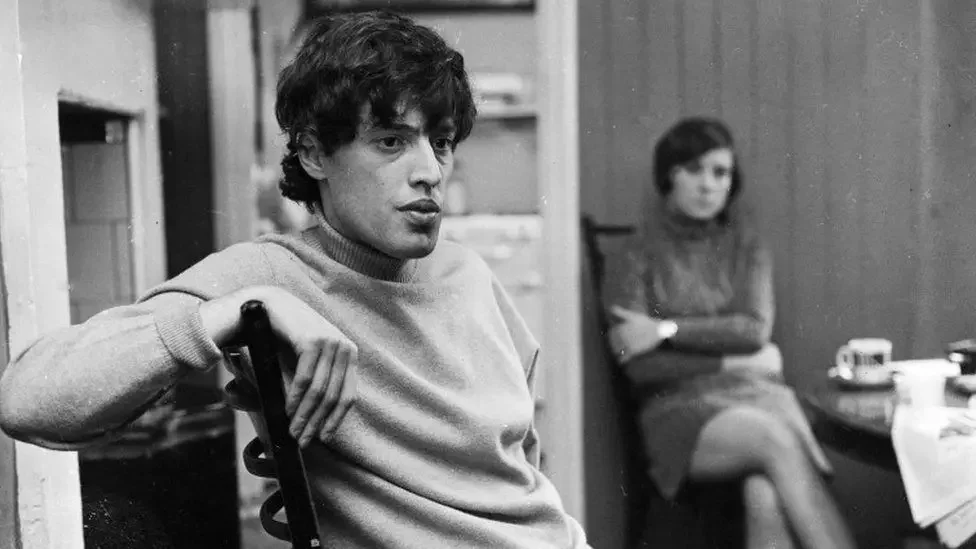
If you don't know Jason, he's a brilliant example of a true learn-it-all. From content superemo (I first met him at Marketo) to brand, demand and growth, he's built serious T-shaped depth – with creativity right at the centre. He's also a rock photographer and runs a refreshingly honest, no-BS marketing podcast that's well worth a listen (https://lnkd.in/eQ-a_kbM).

A great reminder of everything that's good about marketing: curiosity, creativity, and people who never stop learning.

From idea to desk in just six weeks : a modern marketing sprint across 3 continents

Every now and then a project comes along that reminds you just how quickly marketing can move when everyone leans in. This one - working with a fintech looking to launch part of its product portfolio - was exactly that. What started as a positioning conversation turned into a full-blown international direct-mail campaign. Yes… direct mail. Stay with me.

The brief was simple: reposition an under-leveraged solution for a tighter ICP and launch it with enough impact to cut through a noisy market. Once we nailed the messaging, we went searching for a channel with real stopping power. Counterintuitively, the answer wasn’t “more digital.” It was zig-while-others-zag. So we resurrected a long-forgotten hero: the video pack.

Imagine opening what looks like a book, and a video springs to life the moment the cover lifts - no QR codes, no clicking, no faff. Just a beautifully produced story delivered straight to the desk of exactly the people we wanted to reach.

Of course, the client had a designer. But that was it. Everything else, from sourcing a production partner to creating a fulfilment workflow to building a follow-up machine, had to be stood up from scratch. Fast.

The supply chain became delightfully global. Production in China. Design in Ireland. My desk in the UK. Fulfilment in New York. A US-based follow-up team. And 2,000 contacts originally split across the UK and the US, eventually laser-focused on the States. Add in a voiceover artist (found, briefed and recorded entirely over Zoom, because… of course!) whose audio we synced into the final edit and suddenly we’d assembled a miniature UN of marketing suppliers.

Then came the data work: cleaning, matching, augmenting and segmenting the 2,000-strong list so our beautiful boxes didn’t end up with someone who left the company in 2019.

Six weeks later: assets created, packs produced (sustainably and with carbon offsetting), freighted across continents, warehoused in New York, dispatched across the US, and backed by coordinated email + phone follow-up - our first prospects were literally opening the box. And don’t worry, for you digital nerds we had a campaign across YouTube, web, email and LinkedIN too.

But the thing you don’t get with digital though - people noticed. They loved the mail. They raved how it was the best thing they’d seen in ages. They shared it with their colleagues. It made them feel something. That’s powerful.

The result? A healthy pipeline of prospective business.

Projects like this still blow my mind: global coordination, brand-new suppliers, complex logistics, creative production, data wrangling, cross-border regulations… all wrapped into a sprint that could’ve taken six months a few years ago.

But that’s the state of modern marketing: if you’ve got a clear message, a bold idea and the right partners, you can turn a spark into a market moment at remarkable speed.
Will humanity return to marketing in 2026?

We've spent the last two years drowning in AI hype. Every conference, every pitch deck, every LinkedIn post (guilty as charged) has been about how AI will transform everything.

Right now, we've got it backwards. AI isn't Artificial Intelligence. It's Intelligent Assistance. A co-pilot, not an auto-pilot. And that distinction matters more than most of us realise.

I've seen this play out firsthand through two AI-powered ventures I'm involved in: LettsArt and LettsSafari. Both built with AI from the ground up. Both in deeply emotive spaces - art and nature restoration.

AI doesn't replace the human connection. It amplifies it.

LettsArt uses AI to help artists and gallerists build a career, and connect people with art that moves them. LettsSafari uses it to bring people, typically in urban settings, closer to wildlife conservation. Both empower people’s passions. The technology handles the complexity - the admin, the matching, the personalisation, the scale - so humans can focus on what they actually care about: the feeling.

That's the rebalancing I think we're heading towards.

The AI gold rush has produced a lot of noise. Automated outreach that nobody reads. Generated content that sounds like everyone else. A belief that less experienced, cheaper talent can figure things out.

But the pendulum always swings back.

In 2026, I suspect the winners will be those who use AI to create MORE human connection, not less. Who understand that technology should serve emotion, not replace it.

We don't need artificial anything. We need intelligent assistance that helps us be more human, not less.

The hype is fading. The real work is beginning.

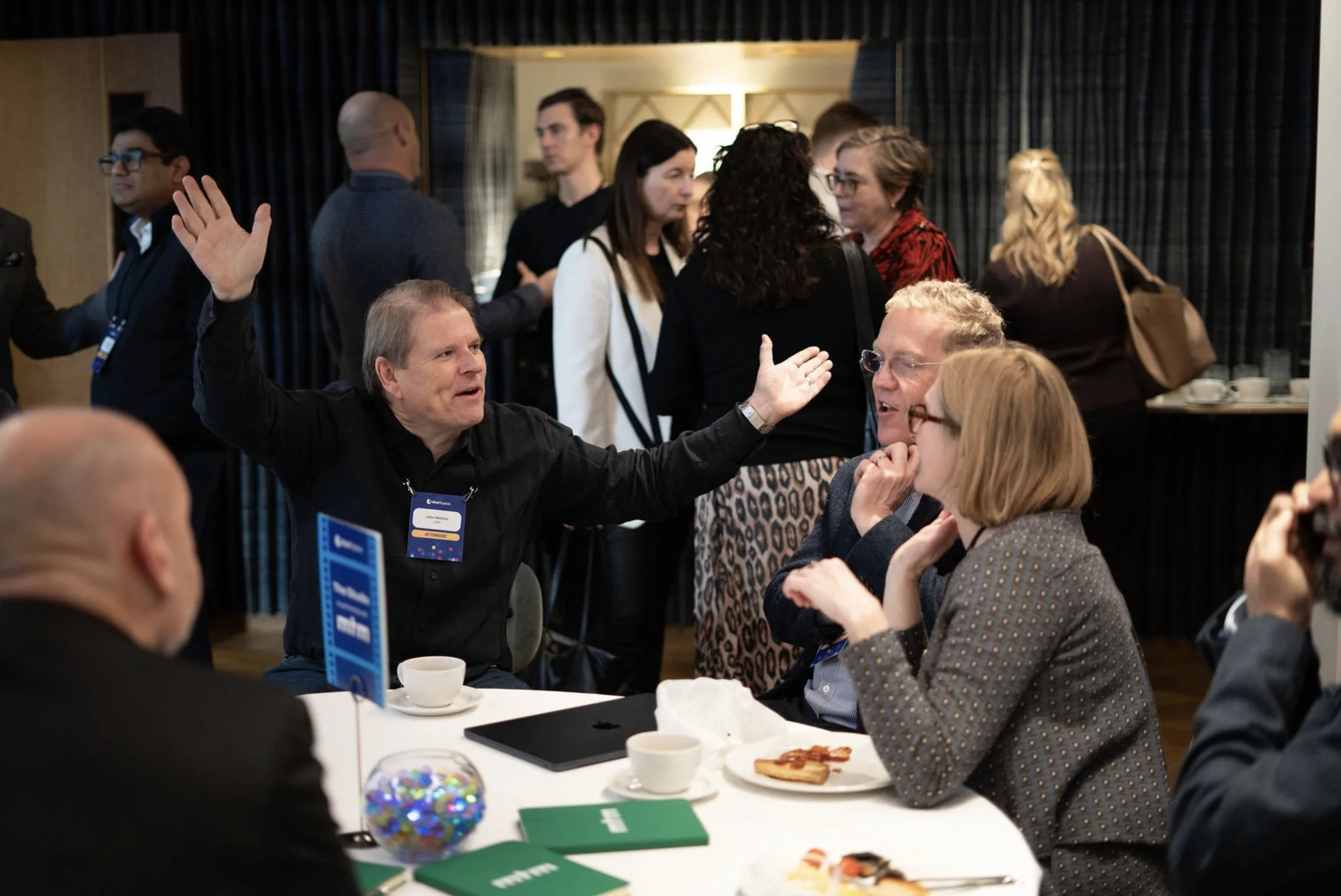
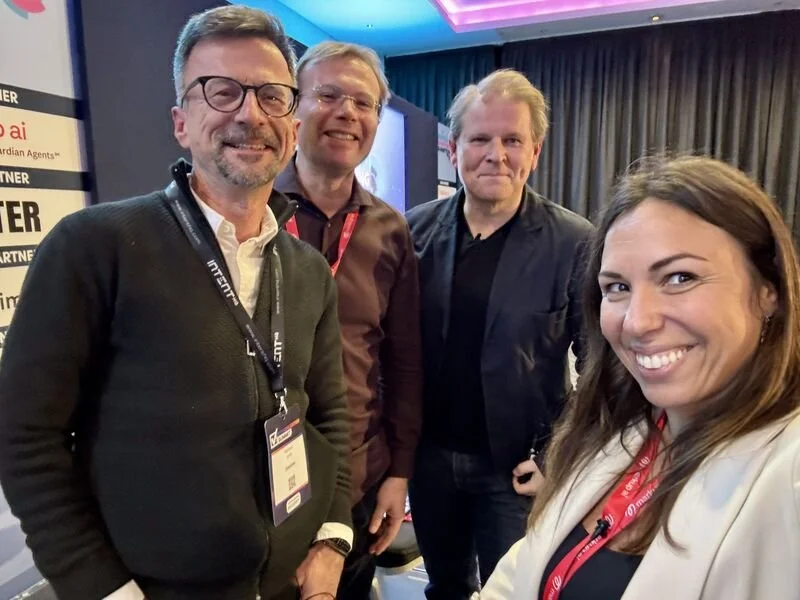
📸 : Me “being human” at the recent HotTopics CMO Studio event.


2025: Family, Music, Work and One Italian Victory

𝟮𝟬𝟮𝟱: 𝗙𝗮𝗺𝗶𝗹𝘆, 𝗠𝘂𝘀𝗶𝗰, 𝗪𝗼𝗿𝗸 𝗮𝗻𝗱 𝗢𝗻𝗲 𝗜𝘁𝗮𝗹𝗶𝗮𝗻 𝗩𝗶𝗰𝘁𝗼𝗿𝘆

As we sunset 2025, I’ve found myself reflecting on a few standout moments from the year.

First, some proud dad milestones. My eldest finally got his first car, making life a little easier as he moves between Greater Manchester’s hospitals in his fifth year as a medical student. My youngest also had a big year, stepping up to News Editor of his student newspaper in Durham - deadlines, opinions and strong coffee the order of the day.

On a personal note, I was incredibly proud to complete the “Mighty Hike” - raising nearly £5,000 for Macmillan Cancer Support by walking 26 miles along the stunning Causeway Coast in Ireland - in memory of my mum.

It was also a great year for live music. From the Sex Pistols to Rick Wakeman, The House of Love, Beta Band, Craven Faults and more - with the clear highlight being Radiohead. I last saw them in 2012 (!), but this was on an entirely different level. An unforgettable experience that still makes me smile.

Work-wise, it’s been a real pleasure continuing to help start-ups and scale-ups find clarity in their marketing, sharpen their strategy and execute for growth. More importantly its been a great opportunity to work with, and meet, so many smart people. I’ve learnt a great deal, and enjoyed every minute.

And finally, perhaps the greatest achievement of all: securing planning permission for building work at our place in Puglia. In just 18 months. Which I believe may qualify as an Italian bureaucratic speed record. Victory! Negronis on me.

Wishing everyone a restful break and a very happy new year.

And, yes, no mention of AI.

Ciao.

20 Film Crew, 3 Days, 15 Parking Spaces… for One Photo?! AI, Please Save Us!

In my corner of West London, there’s not a month, no a week, that doesn't go by without a film crew turning up. This week it was my street.

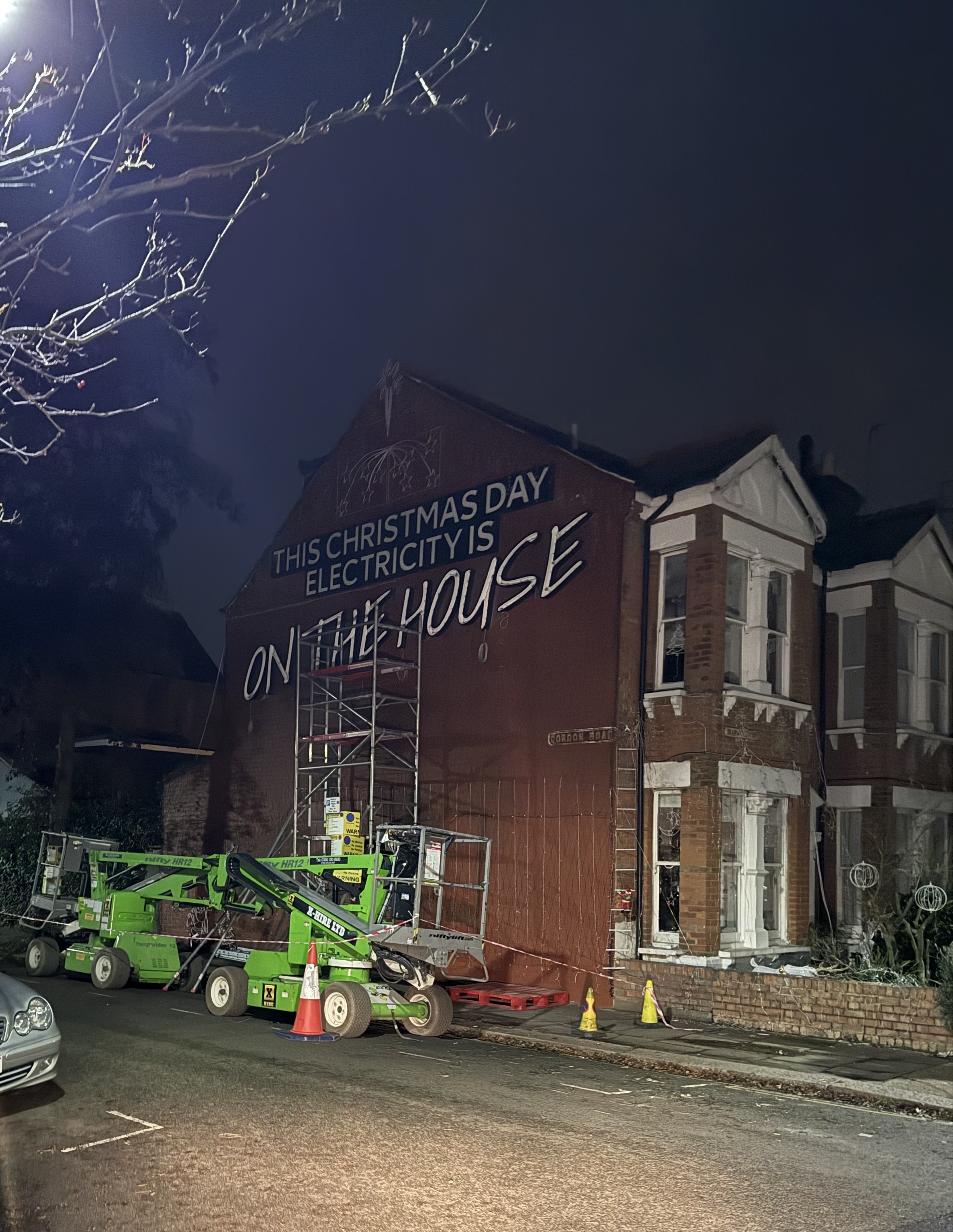
Most of the time its for film/TV, but on this occasion it was to take photos of this house for an ad.

A simple “photo of a house festooned in Xmas lights” turned into a full production: 20+ crew, multiple trucks swallowing residents’ parking, road closures, craftsmen, lighting rigs - they even repainted the side of the house from white to brick red to hang signage and Christmas lights.

And all I could think was: AI should already be doing this.

We worry about AI replacing creatives, but this wasn’t creativity - it was costly, disruptive logistics. I appreciate the challenges of AI producing TV-quality video and the need for IRL work, but surely you could generate a photorealistic image of that same house, lights, signage and all, in minutes.

No trucks.

No repainting.

No three-day shoot.

AI won’t replace imagination, but it will replace the unnecessary production machinery around it. I feel somewhat torn about the disruption AI is causing. But I can't feel that jobs like this just don't make sense any more. The shift feels inevitable.

Art and a cure for Cancer

You may have read of the passing of acclaimed playwright and screenwriter Sir Tom Stoppard, who died last week at the age of 88.

He was a thinker who made language, art and ideas dance together (and was also not adverse to turn his hand to "lowbrow" films in the Indiana Jones and Star Wars franchises).

His death reminds us that words and stories leave a mark far beyond the stage. And here’s a powerful example…

In 1993 Dr. Michael Baum went to see Stoppard’s play “Arcadia’, and in the interval experienced a breakthrough realisation. As a clinical scientist he was trying to understand the behaviour of breast cancer, the assumption being that it grew in a linear trajectory spitting off metastases on its way. In the play, one of the characters asks: “If there is an equation for a curve like a bell, there must be an equation for one like a bluebell, and if a bluebell, why not a rose?” With that Stoppard explains chaos theory, which Dr. Baum realised could better explain the behaviour of breast cancer. At the point of diagnosis, the cancer must have already scattered cancer cells into the circulation that nest latent in distant organs.

The consequence of that hypothesis was the birth of “adjuvant systemic chemotherapy”, and rapidly contributed to a striking fall of the curve that illustrated patients’ survival.

Stoppard never learnt how many lives he saved by writing Arcadia.

This story beautifully illustrates why art is not a luxury, but a catalyst. Creativity fuels insight: ideas born in a theatre can ripple out into science, medicine, marketing - anywhere we choose to ask “what if?” instead of “what is.”

It’s a reminder to us that the division between art and science is often artificial. The magic happens where they meet.

Let’s carry that forward in our own humble ways - with imagination, curiosity and courage.

B2B marketing isn't what it used to be. And that might be OK!

𝗕𝟮𝗕 𝗺𝗮𝗿𝗸𝗲𝘁𝗶𝗻𝗴 𝗶𝘀𝗻'𝘁 𝘄𝗵𝗮𝘁 𝗶𝘁 𝘂𝘀𝗲𝗱 𝘁𝗼 𝗯𝗲. 𝗔𝗻𝗱 𝘁𝗵𝗮𝘁 𝗺𝗶𝗴𝗵𝘁 𝗯𝗲 𝗢𝗞!

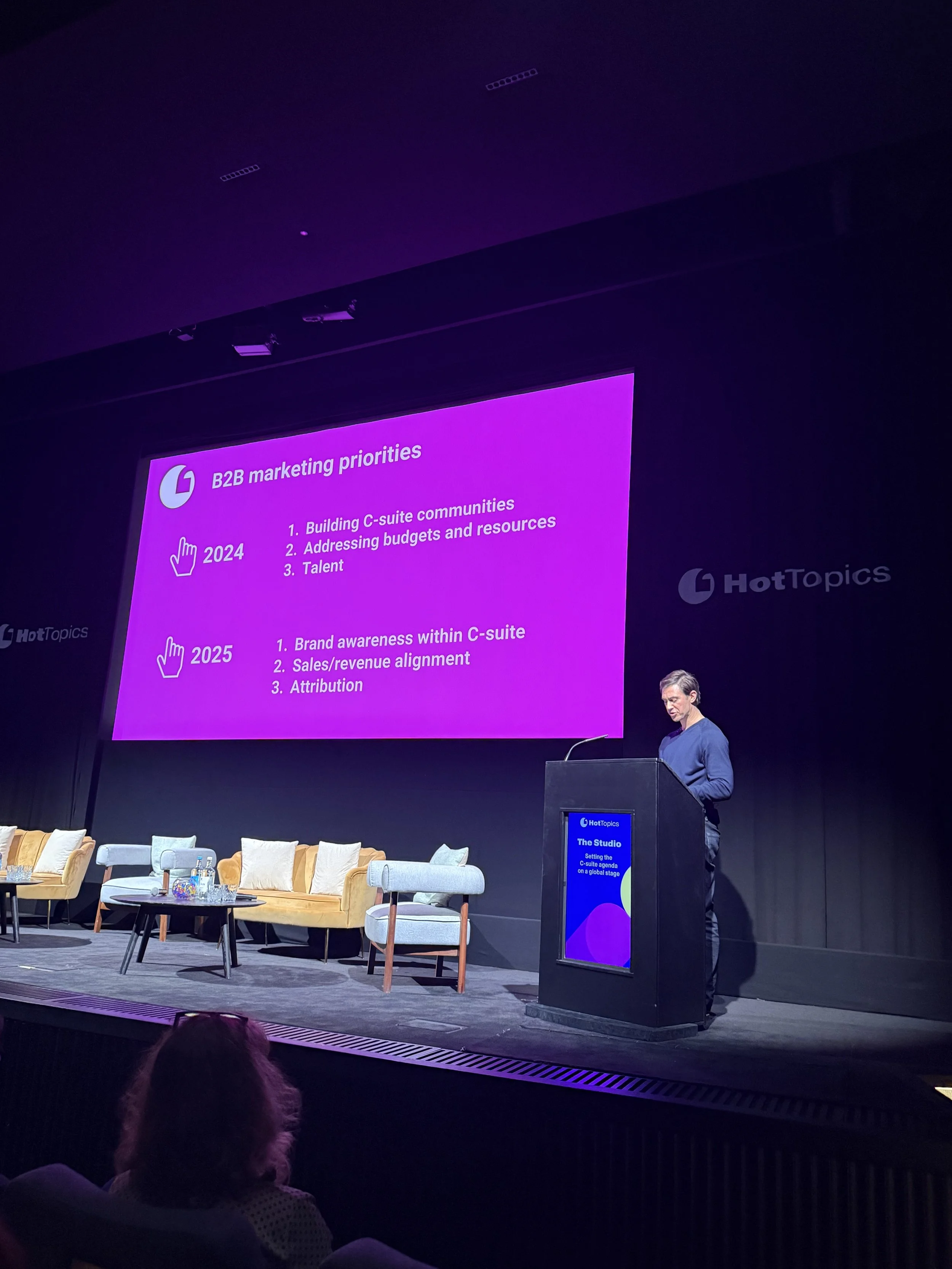
Always a pleasure to be invited to the HotTopics CMO Studio at BAFTA. This year, one theme kept resurfacing: B2B marketing continues to have an identity crisis.

We kicked off with the classic debate: Do we actually need a CMO? Should marketing report into sales? The CRO? The CGO?

Marketing might be the only function still regularly asked to justify whether it belongs in the building. We remain the function that must bring the receipts - every month, every quarter - to prove our worth.

And yet… the data says something very different.

Hot Topics’ benchmark research shows companies with CMOs on the board grow 2.5x faster than those without. That’s not a rounding error - that’s a strategy.

Other interesting reading was, according to HotTopics own research, the top three priorities for CMOs in 2025:

1️⃣ 𝗧𝗵𝗲 𝗖-𝘀𝘂𝗶𝘁𝗲 𝗮𝘄𝗮𝗿𝗲𝗻𝗲𝘀𝘀 𝗴𝗮𝗽. Marketing still struggles to reach senior decision makers. Millennial buyers dominate. Committees rule. Research happens long before intent surfaces.

2️⃣  𝗦𝗮𝗹𝗲𝘀 & 𝗺𝗮𝗿𝗸𝗲𝘁𝗶𝗻𝗴 𝗮𝗹𝗶𝗴𝗻𝗺𝗲𝗻𝘁 𝗰𝗼𝗻𝘁𝗶𝗻𝘂𝗲𝘀 𝘁𝗼 𝗯𝗲… 𝗮 𝗷𝗼𝘂𝗿𝗻𝗲𝘆. In my 25+ years, this theme has never left the stage. It just rebrands itself every few years.

3️⃣ 𝗧𝗵𝗲 𝘁𝗮𝗹𝗲𝗻𝘁 𝗰𝗿𝘂𝗻𝗰𝗵 𝗶𝘀 𝗼𝘂𝘁, 𝗮𝘁𝘁𝗿𝗶𝗯𝘂𝘁𝗶𝗼𝗻 𝗮𝗻𝘅𝗶𝗲𝘁𝘆 𝗶𝘀 𝗶𝗻. With more strong candidates in the market, hiring isn’t the burning issue it was. Instead, attribution has taken centre stage - yet another way of asking marketing to prove its value.

So are we in crisis? Maybe. But it’s a productive one.

Great marketing still exists. So does poor marketing. Most of us operate somewhere between the two, nudging things forward - educating, influencing and building impact in organisations that don’t always see it.

But here’s the positive: conversations like this move the industry on.

They sharpen our thinking, reconnect us with purpose, and remind the business world that marketing is a growth engine - when it’s understood and empowered.

Huge thanks to the Hot Topics team for sparking the debate and bringing us all together. Philip Randerson Peter Stojanovic Faith Wheller Ruth Rowan Ross E. Chapman Duncan Harris

What Today’s Students Reminded Me About Innovation

Spent an interesting morning at St Mary’s University, Twickenham, listening to final year students present case studies of Corporate Entrepreneurship and Innovation.

From the EV innovation of Tesla to the "Fenty effect" in cosmetics to digital banker Revolut to ethical clothing from Patagonia to the growing trend in healthy prepared meals at Simmer Eats, it was a fascinating reminder of how to strategically analyse business success. As well as the spectrum of approaches that can define "entrepreneurship".

I loved seeing the thinking of Schumpeter, Burns, Greiner, Kirzner, Drucker and others alive and well in our younger generation.

Congrats to all the students on their presentations. Great to meet you Roland Daw. And thanks Lucy Timms for the invite!

AI in Marketing: Hype vs Reality

Yesterday I had the pleasure of moderating a lively, no-nonsense panel at the Generative AI for Marketing Conference in London. Big thanks to Joanna Edwards for the invite, and to my brilliant panellists Ambra Cosentino, Frank Ravanelli of FOREO and richard love for bringing clarity to a topic that often feels like alphabet soup.

We tackled the big, unsaid question:

𝙄𝙛 𝙢𝙖𝙧𝙠𝙚𝙩𝙞𝙣𝙜 𝙝𝙖𝙨 𝙨𝙩𝙧𝙪𝙜𝙜𝙡𝙚𝙙 𝙩𝙤 𝙞𝙢𝙥𝙡𝙚𝙢𝙚𝙣𝙩 𝙚𝙫𝙚𝙧𝙮 𝙢𝙖𝙟𝙤𝙧 𝙩𝙚𝙘𝙝 𝙬𝙖𝙫𝙚 𝙛𝙤𝙧 𝙩𝙝𝙚 𝙥𝙖𝙨𝙩 𝟯𝟬 𝙮𝙚𝙖𝙧𝙨 𝙬𝙝𝙖𝙩 𝙢𝙖𝙠𝙚𝙨 𝙪𝙨 𝙩𝙝𝙞𝙣𝙠 𝙬𝙚’𝙡𝙡 𝙣𝙖𝙞𝙡 𝘼𝙄?

Turns out: quite a lot. But only if we fix what’s been holding us back.

Key highlights:

- 𝗦𝘁𝗮𝗿𝘁 𝘄𝗶𝘁𝗵 𝗯𝘂𝘀𝗶𝗻𝗲𝘀𝘀 𝗼𝘂𝘁𝗰𝗼𝗺𝗲𝘀, 𝗻𝗼𝘁 𝘁𝗵𝗲 𝘁𝗲𝗰𝗵𝗻𝗼𝗹𝗼𝗴𝘆. AI only works when it's tied to real goals like revenue, retention and better customer experience.

- 𝗙𝗶𝘅 𝘆𝗼𝘂𝗿 𝗳𝗼𝘂𝗻𝗱𝗮𝘁𝗶𝗼𝗻𝘀 𝗳𝗶𝗿𝘀𝘁: Map the full end-to-end process, and ensure data is unified and clean. Without this, AI just accelerates the chaos.

- 𝗕𝘂𝗶𝗹𝗱 𝗼𝗽𝗲𝗿𝗮𝘁𝗶𝗼𝗻𝗮𝗹 𝗿𝗲𝗮𝗱𝗶𝗻𝗲𝘀𝘀. Hybrid human–AI workflows, governance, cross-functional collaboration, and proper training matter far more than the model you choose.

- 𝗠𝗲𝗮𝘀𝘂𝗿𝗲 𝗶𝗺𝗽𝗮𝗰𝘁 𝘄𝗶𝘁𝗵 𝗰𝗼𝗻𝘁𝗿𝗼𝗹𝗹𝗲𝗱 𝗲𝘅𝗽𝗲𝗿𝗶𝗺𝗲𝗻𝘁𝘀. Compare human-only vs. AI-assisted outputs and link results directly to business value.

- 𝗠𝗼𝘃𝗲 𝗳𝗮𝘀𝘁, 𝘀𝘁𝗮𝘆 𝗳𝗼𝗰𝘂𝘀𝗲𝗱, 𝗮𝗻𝗱 𝘀𝘁𝗮𝘆 𝗰𝘂𝘀𝘁𝗼𝗺𝗲𝗿-𝗰𝗲𝗻𝘁𝗿𝗶𝗰. Adopt AI in small steps, avoid over-centralisation, and make sure the customer, not just the company, gets the benefit.

- 𝗖𝗿𝗲𝗮𝘁𝗶𝘃𝗶𝘁𝘆 𝘀𝘁𝗶𝗹𝗹 𝘄𝗶𝗻𝘀. AI can draft, refine and scale. But judgement, taste, insight and original thinking remain human superpowers.

And finally, we ended with some takeaways for every marketing leader:

  • Be realistic, but bold.

  • Focus on the foundations. The fancy stuff comes later.

  • Use AI to elevate your people, not replace them.

  • And don’t forget: marketing has to change too.

Great discussion!

📸 : Ambra