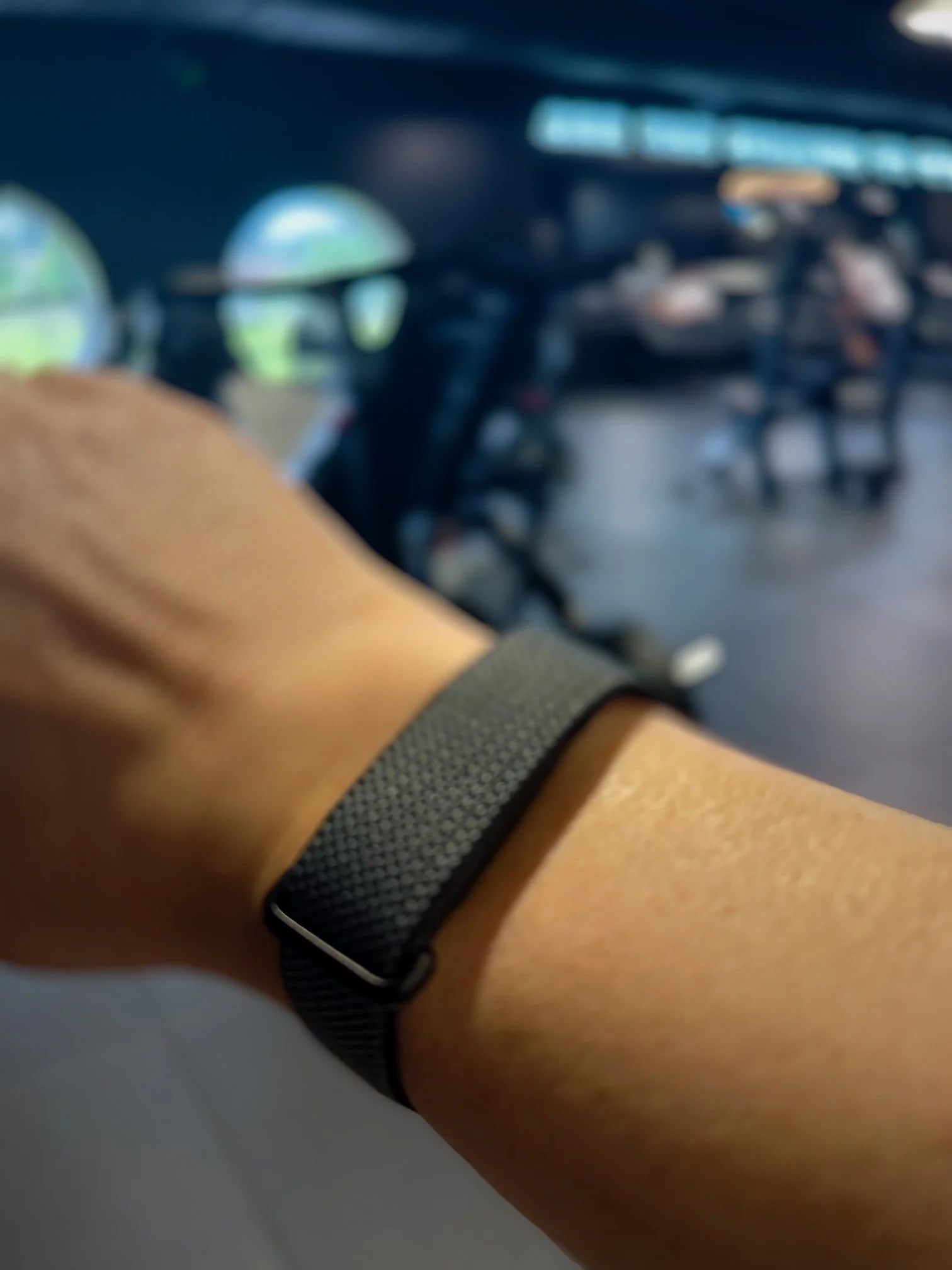
My new Google Fitbit Air (the so-called "Whoop-killer") reminded me of a conversation from a few years back. Someone told me they were "body hacking." Intriguing, I thought. Complex area.
Then they revealed their hacking: tracking steps, heart rate and sleep.
Not exactly what I'd call body hacking. I was actually doing more - blood glucose, HRV, the works. But it got me thinking about AI and the never-ending FOMO around it.
If you're only using AI by prompting ChatGPT or Claude, that's great. But you haven't really got started.
It can be overwhelming I know, but I'd always recommend three things that move you along:
𝗩𝗼𝗶𝗰𝗲 𝗽𝗿𝗼𝗺𝗽𝘁𝗶𝗻𝗴. Stop typing. Start speaking. I use Whispr Flow - it applies AI to help you prompt your favourite engine. Really transformative. It self-corrects as you go, so you don't need to be perfect. Just think out loud.
𝗖𝗹𝗮𝘂𝗱𝗲 𝗖𝗼-𝗪𝗼𝗿𝗸. Buy the upgrade. Get off basic prompting and start dipping your toe into agentic capabilities, without the fear of coding. It'll do things like go into your analytics dashboards, your CRM, your documents and bring back a weekly report in a usable format. Really easy to set up. Game changer for complex tasks. Then move on to Skills!
𝗡𝗼𝘁𝗲-𝘁𝗮𝗸𝗶𝗻𝗴 𝘁𝗵𝗮𝘁 𝗯𝘂𝗶𝗹𝗱𝘀 𝗺𝗲𝗺𝗼𝗿𝘆. Take notes, not for notes sake. My favourite is Granola as it takes notes without joining a video call as "John's Notetaker". Transcribe every productive meeting you can. Product roadmaps, customer conversations, ICP discussions, prospect calls. You're recording your corporate memory. Put those transcripts into a project folder that your AI can access, and you're building a goldmine that gets smarter every time you ask it questions about your business. Paul Cash recently posted about this. He calls it building a Collective Intelligence System.
Hack your way through it. Don't be like the person who thought body hacking was counting steps.
Less fear. More building.