B2B marketing isn't what it used to be. And that might be OK!

๐—•๐Ÿฎ๐—• ๐—บ๐—ฎ๐—ฟ๐—ธ๐—ฒ๐˜๐—ถ๐—ป๐—ด ๐—ถ๐˜€๐—ป'๐˜ ๐˜„๐—ต๐—ฎ๐˜ ๐—ถ๐˜ ๐˜‚๐˜€๐—ฒ๐—ฑ ๐˜๐—ผ ๐—ฏ๐—ฒ. ๐—”๐—ป๐—ฑ ๐˜๐—ต๐—ฎ๐˜ ๐—บ๐—ถ๐—ด๐—ต๐˜ ๐—ฏ๐—ฒ ๐—ข๐—ž!

Always a pleasure to be invited to the HotTopics CMO Studio at BAFTA. This year, one theme kept resurfacing: B2B marketing continues to have an identity crisis.

We kicked off with the classic debate: Do we actually need a CMO? Should marketing report into sales? The CRO? The CGO?

Marketing might be the only function still regularly asked to justify whether it belongs in the building. We remain the function that must bring the receipts - every month, every quarter - to prove our worth.

And yetโ€ฆ the data says something very different.

Hot Topicsโ€™ benchmark research shows companies with CMOs on the board grow 2.5x faster than those without. Thatโ€™s not a rounding error - thatโ€™s a strategy.

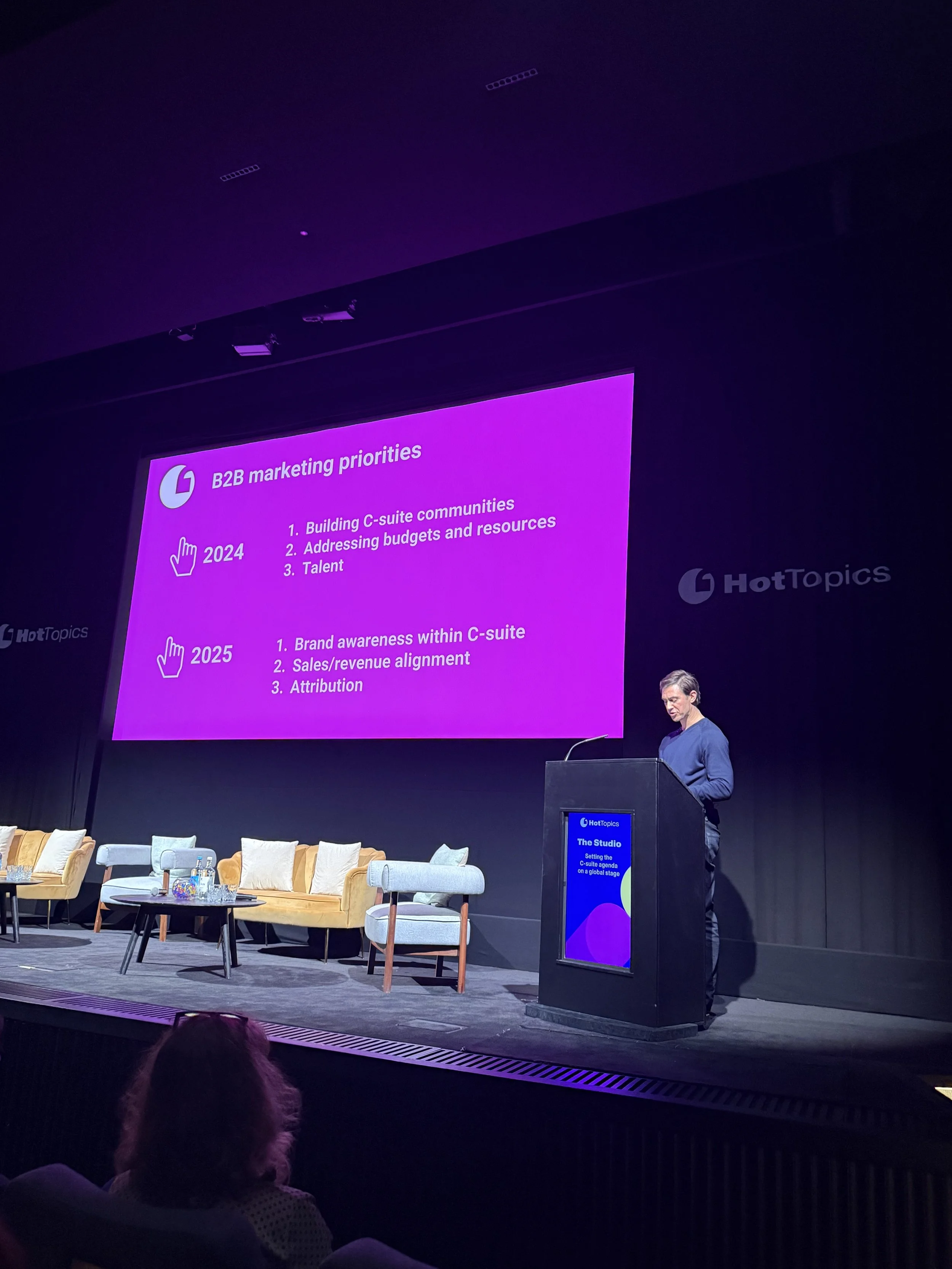
Other interesting reading was, according to HotTopics own research, the top three priorities for CMOs in 2025:

1๏ธโƒฃ ๐—ง๐—ต๐—ฒ ๐—–-๐˜€๐˜‚๐—ถ๐˜๐—ฒ ๐—ฎ๐˜„๐—ฎ๐—ฟ๐—ฒ๐—ป๐—ฒ๐˜€๐˜€ ๐—ด๐—ฎ๐—ฝ. Marketing still struggles to reach senior decision makers. Millennial buyers dominate. Committees rule. Research happens long before intent surfaces.

2๏ธโƒฃ  ๐—ฆ๐—ฎ๐—น๐—ฒ๐˜€ & ๐—บ๐—ฎ๐—ฟ๐—ธ๐—ฒ๐˜๐—ถ๐—ป๐—ด ๐—ฎ๐—น๐—ถ๐—ด๐—ป๐—บ๐—ฒ๐—ป๐˜ ๐—ฐ๐—ผ๐—ป๐˜๐—ถ๐—ป๐˜‚๐—ฒ๐˜€ ๐˜๐—ผ ๐—ฏ๐—ฒโ€ฆ ๐—ฎ ๐—ท๐—ผ๐˜‚๐—ฟ๐—ป๐—ฒ๐˜†. In my 25+ years, this theme has never left the stage. It just rebrands itself every few years.

3๏ธโƒฃ ๐—ง๐—ต๐—ฒ ๐˜๐—ฎ๐—น๐—ฒ๐—ป๐˜ ๐—ฐ๐—ฟ๐˜‚๐—ป๐—ฐ๐—ต ๐—ถ๐˜€ ๐—ผ๐˜‚๐˜, ๐—ฎ๐˜๐˜๐—ฟ๐—ถ๐—ฏ๐˜‚๐˜๐—ถ๐—ผ๐—ป ๐—ฎ๐—ป๐˜…๐—ถ๐—ฒ๐˜๐˜† ๐—ถ๐˜€ ๐—ถ๐—ป. With more strong candidates in the market, hiring isnโ€™t the burning issue it was. Instead, attribution has taken centre stage - yet another way of asking marketing to prove its value.

So are we in crisis? Maybe. But itโ€™s a productive one.

Great marketing still exists. So does poor marketing. Most of us operate somewhere between the two, nudging things forward - educating, influencing and building impact in organisations that donโ€™t always see it.

But hereโ€™s the positive: conversations like this move the industry on.

They sharpen our thinking, reconnect us with purpose, and remind the business world that marketing is a growth engine - when itโ€™s understood and empowered.

Huge thanks to the Hot Topics team for sparking the debate and bringing us all together. Philip Randerson Peter Stojanovic Faith Wheller Ruth Rowan Ross E. Chapman Duncan Harris

What Todayโ€™s Students Reminded Me About Innovation

Spent an interesting morning at St Maryโ€™s University, Twickenham, listening to final year students present case studies of Corporate Entrepreneurship and Innovation.

From the EV innovation of Tesla to the "Fenty effect" in cosmetics to digital banker Revolut to ethical clothing from Patagonia to the growing trend in healthy prepared meals at Simmer Eats, it was a fascinating reminder of how to strategically analyse business success. As well as the spectrum of approaches that can define "entrepreneurship".

I loved seeing the thinking of Schumpeter, Burns, Greiner, Kirzner, Drucker and others alive and well in our younger generation.

Congrats to all the students on their presentations. Great to meet you Roland Daw. And thanks Lucy Timms for the invite!

AI in Marketing: Hype vs Reality

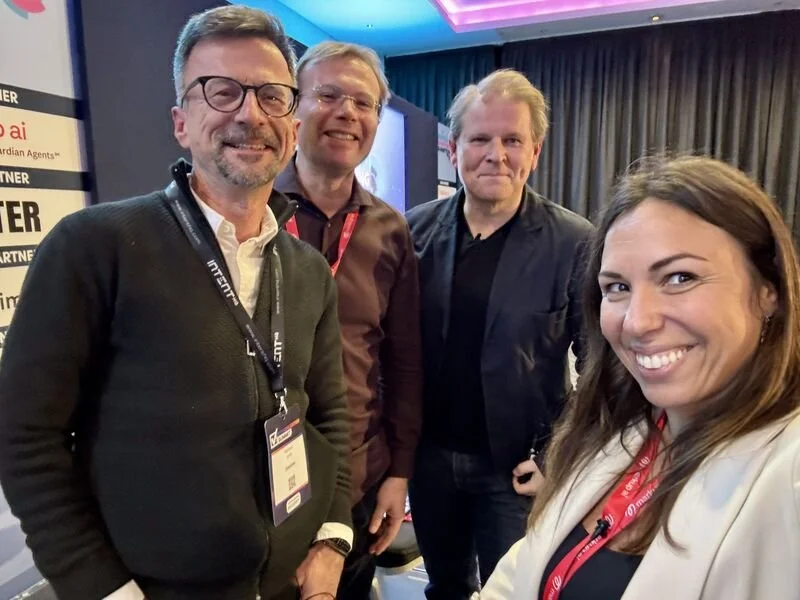
Yesterday I had the pleasure of moderating a lively, no-nonsense panel at the Generative AI for Marketing Conference in London. Big thanks to Joanna Edwards for the invite, and to my brilliant panellists Ambra Cosentino, Frank Ravanelli of FOREO and richard love for bringing clarity to a topic that often feels like alphabet soup.

We tackled the big, unsaid question:

๐™„๐™› ๐™ข๐™–๐™ง๐™ ๐™š๐™ฉ๐™ž๐™ฃ๐™œ ๐™๐™–๐™จ ๐™จ๐™ฉ๐™ง๐™ช๐™œ๐™œ๐™ก๐™š๐™™ ๐™ฉ๐™ค ๐™ž๐™ข๐™ฅ๐™ก๐™š๐™ข๐™š๐™ฃ๐™ฉ ๐™š๐™ซ๐™š๐™ง๐™ฎ ๐™ข๐™–๐™Ÿ๐™ค๐™ง ๐™ฉ๐™š๐™˜๐™ ๐™ฌ๐™–๐™ซ๐™š ๐™›๐™ค๐™ง ๐™ฉ๐™๐™š ๐™ฅ๐™–๐™จ๐™ฉ ๐Ÿฏ๐Ÿฌ ๐™ฎ๐™š๐™–๐™ง๐™จ ๐™ฌ๐™๐™–๐™ฉ ๐™ข๐™–๐™ ๐™š๐™จ ๐™ช๐™จ ๐™ฉ๐™๐™ž๐™ฃ๐™  ๐™ฌ๐™šโ€™๐™ก๐™ก ๐™ฃ๐™–๐™ž๐™ก ๐˜ผ๐™„?

Turns out: quite a lot. But only if we fix whatโ€™s been holding us back.

Key highlights:

- ๐—ฆ๐˜๐—ฎ๐—ฟ๐˜ ๐˜„๐—ถ๐˜๐—ต ๐—ฏ๐˜‚๐˜€๐—ถ๐—ป๐—ฒ๐˜€๐˜€ ๐—ผ๐˜‚๐˜๐—ฐ๐—ผ๐—บ๐—ฒ๐˜€, ๐—ป๐—ผ๐˜ ๐˜๐—ต๐—ฒ ๐˜๐—ฒ๐—ฐ๐—ต๐—ป๐—ผ๐—น๐—ผ๐—ด๐˜†. AI only works when it's tied to real goals like revenue, retention and better customer experience.

- ๐—™๐—ถ๐˜… ๐˜†๐—ผ๐˜‚๐—ฟ ๐—ณ๐—ผ๐˜‚๐—ป๐—ฑ๐—ฎ๐˜๐—ถ๐—ผ๐—ป๐˜€ ๐—ณ๐—ถ๐—ฟ๐˜€๐˜: Map the full end-to-end process, and ensure data is unified and clean. Without this, AI just accelerates the chaos.

- ๐—•๐˜‚๐—ถ๐—น๐—ฑ ๐—ผ๐—ฝ๐—ฒ๐—ฟ๐—ฎ๐˜๐—ถ๐—ผ๐—ป๐—ฎ๐—น ๐—ฟ๐—ฒ๐—ฎ๐—ฑ๐—ถ๐—ป๐—ฒ๐˜€๐˜€. Hybrid humanโ€“AI workflows, governance, cross-functional collaboration, and proper training matter far more than the model you choose.

- ๐— ๐—ฒ๐—ฎ๐˜€๐˜‚๐—ฟ๐—ฒ ๐—ถ๐—บ๐—ฝ๐—ฎ๐—ฐ๐˜ ๐˜„๐—ถ๐˜๐—ต ๐—ฐ๐—ผ๐—ป๐˜๐—ฟ๐—ผ๐—น๐—น๐—ฒ๐—ฑ ๐—ฒ๐˜…๐—ฝ๐—ฒ๐—ฟ๐—ถ๐—บ๐—ฒ๐—ป๐˜๐˜€. Compare human-only vs. AI-assisted outputs and link results directly to business value.

- ๐— ๐—ผ๐˜ƒ๐—ฒ ๐—ณ๐—ฎ๐˜€๐˜, ๐˜€๐˜๐—ฎ๐˜† ๐—ณ๐—ผ๐—ฐ๐˜‚๐˜€๐—ฒ๐—ฑ, ๐—ฎ๐—ป๐—ฑ ๐˜€๐˜๐—ฎ๐˜† ๐—ฐ๐˜‚๐˜€๐˜๐—ผ๐—บ๐—ฒ๐—ฟ-๐—ฐ๐—ฒ๐—ป๐˜๐—ฟ๐—ถ๐—ฐ. Adopt AI in small steps, avoid over-centralisation, and make sure the customer, not just the company, gets the benefit.

- ๐—–๐—ฟ๐—ฒ๐—ฎ๐˜๐—ถ๐˜ƒ๐—ถ๐˜๐˜† ๐˜€๐˜๐—ถ๐—น๐—น ๐˜„๐—ถ๐—ป๐˜€. AI can draft, refine and scale. But judgement, taste, insight and original thinking remain human superpowers.

And finally, we ended with some takeaways for every marketing leader:

  • Be realistic, but bold.

  • Focus on the foundations. The fancy stuff comes later.

  • Use AI to elevate your people, not replace them.

  • And donโ€™t forget: marketing has to change too.

Great discussion!

๐Ÿ“ธ : Ambra

A Small Marketing Insight from a Very Big Gig

Iโ€™m not usually a fan of arena gigs. The eye-watering ticket prices, the slog of getting in and out, the crowds - so many people - and the inevitable band-in-the-distance experience while the people behind you chat through every song. So. Much. Talking.

But on Friday I saw Radiohead at the O2. Twenty thousand people, absolutely not my natural habitat, yet they were outstanding. Easily a Top 10 gig, maybe even Top 5.

What struck me is how musicians at this scale have absolutely nailed the experience. Post-Covid, people crave moments that feel communal, emotional, memorable.

Arena tours have immersive audio, cinematic visuals, a shared emotional arc. They donโ€™t just play music; they build a feeling. Itโ€™s also why, even in B2B, events like Dreamforce and Adobe MAX still pull huge crowds: theyโ€™re more than events; theyโ€™re rituals.

The bar for experience continues to go up.

The Independent summarised Radiohead perfectly: their โ€œmusic about alienation makes feeling alienated feel less alienating.โ€ Even the difficult material becomes connective when the environment is right.

Anyway, tonight Iโ€™m off to see one man and a synthesiser in a small arts club (capacity 300). Back to my comfort zone, but with a new appreciation for the big-stage craft.

Marketing's failed to implement every major technology wave for decadesโ€ฆ what makes us think weโ€™ll nail AI?

Looking forward to next weekโ€™s GenAI for Marketing Conference in London.

Iโ€™ll be joining a keynote panel titled โ€œState of AI in Marketing. Whatโ€™s Hype vs. Reality?โ€ (Monday, 5pm) together with Ambra Cosentino, Frank Ravanelli and Richard Love and after our prep callโ€ฆ letโ€™s just say itโ€™s going to fun.

Marketers love a shiny object, but AI might be the shiniest weโ€™ve ever had. Truth is though, everyone is experimenting, nobody has it fully figured out and half the noise in the market comes from the fact that weโ€™re all talking about different things when we say โ€œAI.โ€ Generativeโ€ฆ agenticโ€ฆ adaptive modelsโ€ฆ automationโ€ฆ machine learningโ€ฆ general intelligenceโ€ฆ Itโ€™s like weโ€™ve been handed the worldโ€™s most powerful toolkit and immediately lost the manual.

Weโ€™ll be getting into:

  • Why marketing keeps repeating the same pattern: big promises, shiny tech, heroic demosโ€ฆ followed by โ€œWait, why isnโ€™t this working?โ€

  • Whether this time might actually be different, and the uncomfortable possibility that the tech isnโ€™t the barrierโ€ฆ we are.

  • How to define success, and what our expectations should be for payback.

  • Why personalization has been โ€˜the futureโ€™ for 25 years

  • Why AI without people and process is just a very expensive autocomplete.

And yes, weโ€™ll absolutely be asking the taboo question: If marketing has failed to implement every major technology wave for decades, what makes us think weโ€™ll nail this one?

Itโ€™s going to be fun - a proper scene-setter for the two days that follow.

If you're at the event on Monday, come along!

I've been on both sides of the redundancy email. Here's what nobody tells you.

30+ years in marketing leadership means I've lived the full spectrum of career turbulence.

I've been the leader making the brutal calls: performance issues, restructuring, M&A fallout, RIFs. Sat in too many rooms where we decided who stays, who goes.

And I've been the person getting the tap on the shoulder. The "new direction" conversation. The non-voluntary plot twist. More than once.

Here's what I've learned from both sides of that table: every time my career felt like it was ending, it was actually moving toward something better.

But only because of one thing. It wasn't timing. It wasn't luck. ๐—œ๐˜ ๐˜„๐—ฎ๐˜€ ๐—ป๐—ฒ๐˜๐˜„๐—ผ๐—ฟ๐—ธ.

Not the LinkedIn "spray and pray" version. The real one. The slow-build relationships forged over coffees, conference dinners, shared war stories, terrible jokes and genuine curiosity about what makes people tick.

I'm naturally more introvert than extrovert. Building and maintaining connections doesn't come naturally - I've had to force myself to do the upkeep. Show up at events when I'd rather be reading. Join and invest time in communities like Pavilion, The CMO Circle, The Slice Network.

Just this week, someone planning to become a fractional CMO asked me where my opportunities come from. Answer: a network built over decades

My last 8 roles all came through relationships, not job boards. A WhatsApp from an old colleague. A referral from someone I helped years ago. An exec who remembered me from an interview I didn't even get.

Nurture relationships before you're desperate.

Make the calls. Send the messages. Book the coffees. Not because you need something today, but because relationships compound like interest.

Your network isn't your safety net. It's your springboard.

And that's the bit nobody mentions until you're already mid-flight.

AI Makes things. Humans make stuff.

Years ago, someone tried explaining the difference in process and discrete manufacturing to me: "Process manufacturers make stuff. Discrete manufacturers make things."

I walked away none the wiser but that distinction stuck with me ever since. And now, watching everyone panic about AI taking over, it suddenly makes perfect sense.

๐—”๐—œ ๐—ถ๐˜€ ๐—ฏ๐—ฟ๐—ถ๐—น๐—น๐—ถ๐—ฎ๐—ป๐˜ ๐—ฎ๐˜ ๐—บ๐—ฎ๐—ธ๐—ถ๐—ป๐—ด ๐˜๐—ต๐—ถ๐—ป๐—ด๐˜€

  • First drafts of proposals

  • Reformatting 60-page documents into one-pagers

  • Cleaning up messy spreadsheets

  • Generating code snippets

  • Building templates and frameworks

  • Turning chaos into bullet points

It's the ultimate discrete manufacturer of the knowledge economy. Fast, consistent, uncomplaining.

๐—›๐˜‚๐—บ๐—ฎ๐—ป๐˜€ ๐—บ๐—ฎ๐—ธ๐—ฒ ๐˜€๐˜๐˜‚๐—ณ๐—ณ

  • The insights that only come from getting fired twice

  • The pattern recognition from 30 years of watching markets shift

  • Original thinking that appears in the shower

  • The gut feeling that says "this strategy won't work, trust me"

  • The creative leap no prompt can reach

  • The taste that knows when something's off

AI remixes. Humans originate.

AI optimises. Humans imagine.

AI formats. Humans feel.

Let AI handle the machinery of things - the drafts, edits, automations, summaries. Let humans obsess over the alchemy of stuff - the ideas, meaning, direction, soul.

One scales effort. The other scales imagination. Together, they scale impact.

So there you have it. AI makes things. Humans make stuff.

Any the wiser?

PS: Top marks for spotting what โ€œstuffโ€ is being made in the photo...

Why are B2B Brands betting big on sport?

If you watch enough sport (especially Formula 1) or cable TV, youโ€™ll see an extraordinary number of B2B tech businesses advertising or sponsoring.

So why are B2B brands increasingly investing in major sports partnerships?

That was the topic of a fascinating conversation at The Drum's B2B World Fest, featuring Sarah Dawson (Wasserman), Priyanka Mehra (TCS) and Karen Feldman (Iron Mountain).

A recurring theme was that B2B brands donโ€™t actually sell to โ€œbusinessesโ€ - they sell to humans. (Another case for humanising, Paul Cash!)

Sport isnโ€™t just something we watch. Itโ€™s something we feel. And when a brand can plug into that emotion - authentically, consistently and with purpose - something powerful happens.

Priyanka from TCS described a challenge familiar to most complex enterprise brands: technology can sound, wellโ€ฆ complex. Heavy. Abstract. Hard to feel.

So TCS turned to a platform built entirely on human emotion: the marathon.

TCS now partners with 14 global marathons, reinforcing at each that training and race day arenโ€™t fleeting events, theyโ€™re year-long personal journeys full of discipline, resilience and shared pride.

Everyone knows someone who has run a marathon. Everybody knows what that story means. Thatโ€™s the connection.

And TCS are not just sponsoring marathons - theyโ€™re using them as live innovation environments.

Take their Digital Twin project, created with elite runner Des Linden. TCS built a digital model of her heart, allowing her to analyse performance, adjust for changing race conditions and optimise in real time. A world-class example of taking enterprise innovation and making it both tangible and inspiring! And theyโ€™re scaling it. From one athlete โ†’ to many โ†’ to everyday runners โ†’ to other industries entirely.

And Iron Mountain, a 75-year-old business known for information storage, is using its new partnership with McLaren F1 to shift perception.

Theyโ€™re not just powering storage. Theyโ€™re powering history, access and storytelling using AI-driven content discovery to unlock decades of unseen racing archives.

Itโ€™s heritage meets data innovation, and it is deeply emotive.

๐—ฆ๐—ผ ๐˜„๐—ต๐˜† ๐˜€๐—ฝ๐—ผ๐—ฟ๐˜, ๐—ฎ๐—ป๐—ฑ ๐˜„๐—ต๐˜† ๐—ป๐—ผ๐˜„?

Three signals came through loud and clear:

๐ŸŽฏ ๐—˜๐—บ๐—ผ๐˜๐—ถ๐—ผ๐—ป๐—ฎ๐—น ๐—ฟ๐—ฒ๐˜€๐—ผ๐—ป๐—ฎ๐—ป๐—ฐ๐—ฒ: Sport creates memory, belonging and identity.

๐ŸŽฏ ๐—š๐—น๐—ผ๐—ฏ๐—ฎ๐—น ๐—ฟ๐—ฒ๐—ฎ๐—ฐ๐—ต & ๐—ฟ๐—ฒ๐—ฝ๐—ฒ๐—ฎ๐˜ ๐—ถ๐—ป๐˜๐—ฒ๐—ฟ๐—ฎ๐—ฐ๐˜๐—ถ๐—ผ๐—ป: Formula 1, marathons and sports leagues provide year-round engagement moments, not just events.

๐ŸŽฏ ๐—” ๐—น๐—ถ๐˜ƒ๐—ถ๐—ป๐—ด ๐˜๐—ฒ๐˜€๐˜๐—ฏ๐—ฒ๐—ฑ ๐—ณ๐—ผ๐—ฟ ๐—ถ๐—ป๐—ป๐—ผ๐˜ƒ๐—ฎ๐˜๐—ถ๐—ผ๐—ป: Sport becomes a proving ground for technology, data and new experiences.

I guess my takeaway is that the brands winning in sports arenโ€™t chasing visibility. Theyโ€™re building meaning.

Sport isnโ€™t a channel. Itโ€™s a human translation layer.

And for B2B brands trying to stand out in a world of feature lists and complexity? That translation layer might just be the advantage.

Breaking out of the algo bubbles

๐— ๐˜† ๐—ฎ๐—น๐—ด๐—ผ๐—ฟ๐—ถ๐˜๐—ต๐—บ ๐—ฏ๐˜‚๐—ฏ๐—ฏ๐—น๐—ฒ๐˜€ ๐—ฎ๐—ฟ๐—ฒ ๐˜๐—ฒ๐—น๐—น๐—ถ๐—ป๐—ด ๐—บ๐—ฒ ๐˜€๐—ผ๐—บ๐—ฒ๐˜๐—ต๐—ถ๐—ป๐—ด.

On YouTube, I'm drowning in videos of bedroom producers in provincial UK towns recreating early 80s synth classics. 50 followers. 4 likes. While the world watches MrBeast and Chicken Shop Dates I'm watching Jeff from Chelmsford break down Visageโ€™s "Fade to Grey" on his Korg keyboard.

On LinkedIn, it's the ageism posts. Dozens of them. Talented people over 50 sharing their 200th rejection. My feed has become a support group for Gen X marketers wondering where all the opportunities went.

But here's what I've realised: the algorithm isn't the problem. Yes, ageism is definitely in the air right now. But I also get that some companies are trying to shake up the old guard of โ€œpale, male and staleโ€ leadership. Maybe its time to flip the script. As Iโ€™ve had reinforced by the very excellent Troy Thompson on his โ€œOutward Performanceโ€ course on Pavilion, its all about changing your mindset, not just focusing on behaviours.

Donโ€™t let your career fade to grey (see what I did there?). Target organisations that actually need what we bring:

  • **๐——๐—ฒ๐—ฝ๐˜๐—ต ๐—ผ๐˜ƒ๐—ฒ๐—ฟ ๐—ฑ๐—ถ๐˜€๐—ฟ๐˜‚๐—ฝ๐˜๐—ถ๐—ผ๐—ป**: Companies with strong mid-level talent but no one who's navigated multiple market cycles.

  • **๐—–๐—ฎ๐—น๐—บ ๐—ผ๐˜ƒ๐—ฒ๐—ฟ ๐—ฐ๐—ต๐—ฎ๐—ผ๐˜€**: Startups that need someone who won't panic when plan A fails. Because we've been through plans B through Z.

  • **๐— ๐—ฒ๐—ป๐˜๐—ผ๐—ฟ๐˜€๐—ต๐—ถ๐—ฝ ๐—ผ๐˜ƒ๐—ฒ๐—ฟ ๐—บ๐—ฒ๐˜๐—ฟ๐—ถ๐—ฐ๐˜€**: Teams that value building capability, not just hitting quarters.

I've seen this pattern in my fractional work. The companies that hire experience aren't looking backward - they're looking for balance. Mixed teams where wisdom complements energy. Where battle scars prevent repeated mistakes.

Stop applying where youth is the unspoken requirement. Find the organisations mature enough to value maturity.

Your sweet spot exists. It's just not where everyone else is looking.

Now if you'll excuse me, Jeff just uploaded his version of "Cars" by Gary Numan. ๐ŸŽน

Transferable skills may still matter

In full-time corporate land, industry segment is increasingly everything. Try moving from niche A to niche B? Forget it.

"We need someone with 10+ years in network security for mobile devices, focused on individual users (not enterprise), in a PLG motion (not sales-led), with experience in France and Sweden - but not Germany - in a company with exactly $17m in ARR with plans to go to $22m, NOT $25m."

Sound familiar? The old concept of โ€œtransferable skillsโ€ seems to have died a death in the past few years. Hirers are myopically looking for the perceived unicorn, nervously reluctant to hire marketers without the perfect credentials.

But fractional work? It's really interesting. Completely different mindset.

People actually value experience over exact industry fit. They want strategic thinking and execution understanding, not just sector knowledge.

Over the past couple of years I've worked across art tech, nature restoration, health, fintech, engineering and public relations. From bootstrapped to Series C to $100m PE-backed. In both B2B and B2C. Opportunities never thought possible in the full time world. Yes, each one is different, but yet theyโ€™re all powered by the same fundamental need:

  • Clear customer story

  • Focused strategy

  • Measurable outcomes

  • AI as the multiplier

Turns out "transferable skills" are still in demand. And in an AI-powered world, adaptability might just be the ultimate skill.

The fundamentals of good marketing don't change when you cross industry lines. Understanding customers, building trust, creating value - that works everywhere.

The tactics may shift. The strategy fundamentals stay the same.

Fractional work has reminded me that good marketers aren't industry-specific. We're problem-solvers who happen to work in different sectors.